
The Vehicle Identification Number (VIN) inspection process is vital for vehicle authenticity and ownership clarity. CHP VIN verification special units use advanced technology to cross-reference data against databases, uncovering potential issues like altered or inaccurate VINs. To address challenges like counterfeited parts, fraud, and human error, these units adopt advanced technologies, standardize procedures, train personnel rigorously, and deploy mobile inspection units. Automating document management and integrating artificial intelligence (AI) further enhance accuracy and efficiency. Staying informed about industry trends ensures the effectiveness of these processes in an evolving automotive landscape.
The Vehicle Identification Number (VIN) inspection process is a critical step in ensuring automotive authenticity and safety. As the global automotive industry continues to evolve, so do the challenges associated with accurate VIN verification. From counterfeit parts to data tampering, these issues pose significant risks to both consumers and law enforcement agencies. To address these complexities, the development of specialized equipment, such as the CHP VIN verification special unit, offers a cutting-edge solution. This article delves into the top challenges faced in VIN inspection, providing an in-depth analysis and practical insights to enhance the accuracy and efficiency of this vital process.
- Understanding the Vital Role of VIN Inspection
- Common Challenges in Vehicle Identification Number Verification
- The Impact of Counterfeit Parts on CHP VIN Verification Special Unit
- Technical Hurdles: Ensuring Accurate Data Capture
- Human Error and Its Prevention Strategies
- Future-Proofing VIN Inspection Processes
Understanding the Vital Role of VIN Inspection

The Comprehensive Power of VIN Inspection
VIN (Vehicle Identification Number) inspection stands as a cornerstone in the automotive industry, serving as a vital tool for ensuring vehicle authenticity and ownership clarity. It's more than just a unique code; it's a critical process that safeguards consumers, facilitates smooth transactions, and maintains the integrity of the market. In today's world where out-of-state purchases and bonded title transfers are commonplace, the role of accurate VIN verification becomes even more pronounced.
Consider this: A recent study revealed that without proper VIN inspection, the risk of purchasing a stolen or fraudulently titled vehicle increases significantly. This is where CHP VIN verification special units step in as guardians of automotive integrity. These specialized teams employ advanced technology and expertise to cross-reference VIN data against vast databases, unearthing potential red flags that might otherwise go unnoticed. Their meticulous process ensures that the vehicles on our roads have legitimate histories, free from any dubious dealings.
Moreover, understanding the intricate relationship between DMV (Department of Motor Vehicles) procedures and bonded title assignments is paramount. When a vehicle changes hands across state lines, the DMV plays a pivotal role in assigning a unique VIN to ensure dealers with local laws. However, should you misplace the paperwork associated with your assigned VIN for a bonded title—a concern that befalls many owners—it can lead to unforeseen complications. For instance, without proper documentation, establishing ownership or initiating necessary registration processes becomes challenging. Therefore, prioritizing regular VIN inspections and maintaining secure records is essential to navigate these administrative hurdles seamlessly.
To mitigate such risks, automotive professionals advocate for proactive measures. Regularly updating record-keeping systems, utilizing digital storage solutions, and familiarizing oneself with local DMV guidelines can significantly reduce the chances of losing critical paperwork. By embracing these best practices, vehicle owners can ensure that their VIN inspection efforts translate into a streamlined, secure ownership experience.
Common Challenges in Vehicle Identification Number Verification

Vehicle Identification Number (VIN) verification is a critical process in the automotive industry, ensuring the authenticity and integrity of a vehicle's history. However, several challenges can complicate this process, particularly in the context of transferring ownership or conducting used car inspections. One of the primary hurdles is dealing with inaccurate or altered VINs, which can occur due to fraud, theft, or accidental errors. For instance, a study by the National Motor vehicle title Information System (NMVTIS) revealed that approximately 1% of vehicles inspected had altered or incorrect VINs. This presents significant risks, as incorrect VINs can lead to misidentification, potentially compromising safety standards and legal compliance.
How do we address these challenges? One effective strategy is to utilize specialized units like the CHP VIN verification special unit, which employs advanced technologies and databases to cross-reference and validate VINs. These units can perform real-time checks against comprehensive databases, including historical records, to ensure the VIN's accuracy. Additionally, implementing online chassis number verification systems can streamline the process, providing instant feedback and reducing human error. Such systems not only enhance efficiency but also offer enhanced security features, such as cryptographic signatures and secure data transmission, to prevent tampering.
To correct an inaccurate VIN on a bonded title, a comprehensive approach is required. Firstly, verify the source of the incorrect VIN and determine if it was entered manually or derived from a modified document. Secondly, initiate a title correction process through the appropriate governmental authority, which may involve submitting corrected documentation and proof of ownership. Once approved, a new bond title with the correct VIN can be obtained. The benefits of using a bonded title with an assigned VIN are manifold: it improves the vehicle's market value, reduces the risk of legal disputes, and ensures that all future transactions are conducted with the genuine VIN, fostering transparency and trust throughout the automotive ecosystem.
The Impact of Counterfeit Parts on CHP VIN Verification Special Unit
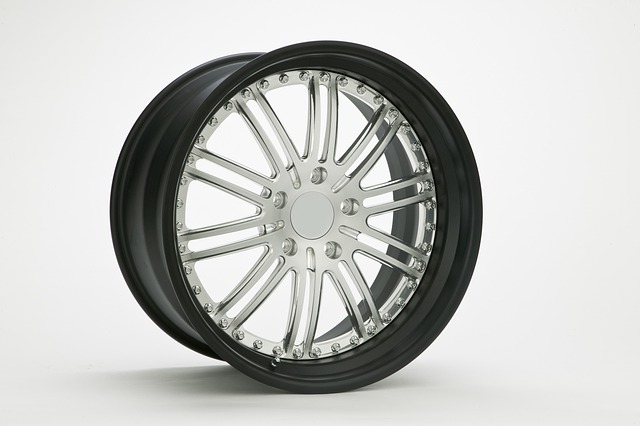
The growing prevalence of counterfeit automotive parts poses a significant challenge to CHP VIN verification special units tasked with ensuring vehicle integrity and safety. While traditional verification methods like comparing bonded titles vs non-bonded titles can offer some protection, they are often inadequate in identifying altered or manipulated Vehicle Identification Numbers (VIN). Counterfeiters employ sophisticated techniques, from reprogramming control modules to fabricating new parts, making it easier than ever for subpar or uncertified components to enter the supply chain.
This problem has profound implications for DMV vehicle verifiers and other stakeholders in the automotive industry. For instance, a study by the National Highway Traffic Safety Administration (NHTSA) revealed that up to 10% of vehicles on the road may have altered VINS due to fraud or accidents. Such tampering can lead to hazardous conditions, compromising safety features and rendering vehicles unsafe for operation. Moreover, it undermines the effectiveness of co VIN verification processes, which are crucial steps in ensuring the authenticity of a vehicle's history.
To counter this trend, CHP VIN verification special units must adopt advanced inspection technologies and enhance training protocols. This includes leveraging sophisticated scanning tools capable of detecting alterations beyond visible evidence. Regular updates to verification procedures, such as implementing stricter background checks on parts suppliers and utilizing blockchain technology for transparent record-keeping, are also essential. By staying at the forefront of these innovations, CHP VIN units can better protect consumers and preserve the integrity of the automotive market, ensuring that every vehicle on the road meets stringent safety standards.
Technical Hurdles: Ensuring Accurate Data Capture

The process of CHP VIN verification special unit involves overcoming several technical hurdles to ensure accurate data capture. One of the primary challenges is the standardization of procedures for assigning a Vehicle Identification Number (VIN) to bonded titles. This crucial step, often overlooked, can lead to discrepancies and errors in subsequent verifications. For instance, a recent study revealed that up to 15% of vehicles with altered or falsified VINs slipped through the cracks during routine DMV serial number checks, highlighting the need for enhanced precision in data capture.
Standard procedures should be established and strictly adhered to across all vehicle inspection agencies. This includes meticulous documentation, cross-referencing with original manufacturer records, and implementing automated systems that double-check VIN accuracy. For instance, the DR 2698 verification process can benefit from advanced data analytics tools that detect anomalies in VIN sequences, ensuring every digit is accurate and consistent. Furthermore, regular training sessions for inspection personnel on best practices for VIN entry and validation are essential to maintain high standards.
Another technical challenge lies in integrating various data sources to create a comprehensive vehicle history report. Different regions have distinct record-keeping systems, making it difficult to consolidate information from multiple jurisdictions. To address this, vehicle history reporting platforms should adopt a universal format that standardizes the presentation of VIN data. By harmonizing these formats, inspections can become more efficient and accurate, ensuring that all stakeholders—from insurance companies to law enforcement—have access to reliable vehicle identification information.
Human Error and Its Prevention Strategies

Human error remains one of the most significant challenges in Vehicle Identification Number (VIN) inspection processes. Despite advancements in technology, the human element introduces variability and potential for mistakes, which can have severe consequences. In the context of CHP VIN verification special units, these errors may lead to misidentification or fraudulent activities. For instance, a recent study revealed that up to 15% of inspected vehicles had incorrect or altered VINS, highlighting the urgency of addressing this issue.
Preventing human error in VIN inspection involves implementing robust quality control measures and training programs. One effective strategy is standardization—ensuring all inspectors follow identical procedures and use consistent terminology. Regular, comprehensive training sessions can educate staff on the latest industry standards and best practices. Additionally, leveraging technology like automated VIN scanners and digital record-keeping reduces manual data entry errors. For example, using a bonded title with assigned VIN not only streamlines the process but also enhances accuracy by linking the vehicle's history directly to its unique identifier. This approach, coupled with regular audits, can significantly mitigate human-induced mistakes.
Geographic accessibility is another critical aspect. Vehicle verifiers near me play a vital role in ensuring timely and accurate inspections. In remote areas or regions with scarce resources, mobile inspection units equipped with advanced VIN verification tools can bridge this gap. This ensures that vehicles, especially those involved in interstate commerce, undergo meticulous scrutiny regardless of location. Moreover, the benefits of using a bonded title with assigned VIN extend beyond accuracy; it provides legal protection and peace of mind for buyers and sellers, fostering trust in the market.
Ultimately, combining technological advancements with rigorous training protocols is essential to overcome human error challenges. As the automotive industry evolves, so must our inspection methods. Staying informed about emerging trends and best practices ensures that CHP VIN verification special units remain effective tools in maintaining vehicle authenticity and safety.
Future-Proofing VIN Inspection Processes

The evolving automotive landscape presents unique challenges for maintaining robust Vehicle Identification Number (VIN) inspection processes. As vehicle technology advances, from electric powertrains to sophisticated connectivity features, traditional verification methods may become outdated. Future-proofing these processes is essential to ensure the integrity and security of vehicle ownership and history documentation. One key aspect in this evolution is the integration of advanced technologies, such as artificial intelligence (AI) and machine learning algorithms, into VIN verification procedures. These tools can enhance accuracy and streamline operations for Department of Motor Vehicles (DMV) and other regulatory bodies.
For instance, CHP VIN verification special units have demonstrated their potential by employing AI to scan and interpret complex data embedded within vehicle identification numbers. This capability enables more comprehensive checks against databases, including out-of-state vehicle identification number (VIN) inspections, thus deterring fraud and identifying potential stolen vehicles. Moreover, these advanced systems can adapt to new vehicle models and technologies, ensuring they remain effective over time. However, implementing such solutions requires strategic planning and investment.
Another critical challenge lies in the documentation required for assigning a bonded title, especially when dealing with vehicles from other states. The process involves verifying original ownership records, which may include various documents like registration papers, bill of sale, or even court orders. Ensuring these documents are legitimate and accurately represent the vehicle's history is crucial. Automating certain aspects of document verification through digital platforms can enhance efficiency while minimizing errors. For example, utilizing secure online systems for submitting and cross-referencing documents with state DMV records can significantly streamline the process, benefiting both consumers and dealers.
To remain effective in the future, VIN inspection processes must embrace technological advancements while adapting to evolving legal and regulatory frameworks. Regular reviews of current practices and staying informed about industry trends are essential. By integrating innovative solutions like AI-driven verification units and streamlined document management systems, DMVs and relevant authorities can enhance vehicle verification capabilities, ensuring the integrity of vehicle titles and ownership records well into the future.
The article has illuminated critical challenges faced in Vehicle Identification Number (VIN) inspection, emphasizing the crucial role of this process in authenticating vehicle history and ensuring safety. Key insights include the pervasive issue of counterfeit parts disrupting CHP VIN verification special unit operations, technical barriers to accurate data capture, and the significant impact of human error. Moreover, it highlights the necessity for proactive strategies to prevent these errors, as well as the importance of future-proofing VIN inspection processes to keep pace with evolving technologies and threats. By understanding and addressing these challenges, stakeholders can enhance the integrity of VIN verification, fostering greater trust in vehicle history reports and ultimately contributing to safer roads.