
Vehicle Identification Numbers (VINs) are evolving to meet modern transportation challenges. Traditionally used for car verification, VINs are expanding into digital signatures enabling tracking, ownership transfer, and real-time data access, crucial for smart fleet management systems. Key trends include advanced technologies like GPS and blockchain, unique digital VINs verified through mobile apps, and increased adoption of digital titling systems.
The rise of autonomous vehicles further highlights the need for sophisticated tracking mechanisms. Law enforcement units, including the CHP VIN verification special unit, utilize digital tools to cross-reference databases, enhancing efficiency and public safety. Blockchain technology promises to revolutionize processes by providing an immutable record of vehicle ownership.
Global standardization aims to create a unified VIN system, offering advantages in inspections, data integrity, international trade, and stolen vehicle recovery. Automotive businesses should implement real-time VIN validation systems, cross-reference VINS with authoritative databases, educate customers, and request relevant documents for secure transactions, fostering trust in the digital automotive landscape.
Vehicle identification numbers (VIN) are the backbone of automotive security and traceability, critical for law enforcement, insurance, and vehicle history reporting. However, the rapid evolution of vehicle technology and increasing complexity of VIN structures present challenges in accurate verification. This is particularly acute for state agencies like the CHP (California Highway Patrol) VIN verification special unit, tasked with ensuring public safety through meticulous vehicle identification checks. The future demands innovative solutions to keep pace with these trends, leveraging advanced technologies such as blockchain and AI for secure, efficient, and precise VIN verification processes.
- Understanding the Evolving Role of VINs
- Technological Advancements in Vehicle Tracking
- The Impact on Law Enforcement: CHP VIN Verification Special Unit
- Global Standardization and Its Benefits
- Future Proofing Your Automotive Business
Understanding the Evolving Role of VINs

Vehicle Identification Numbers (VINs) have long served as a fundamental component of automotive security and identification. As we move forward into an era defined by advanced technologies and evolving transportation needs, the role of VINs is undergoing a significant transformation. This evolution is driven by factors such as increased vehicle theft prevention, enhanced data management for fleet operations, and the integration of smart vehicle systems. The need for robust CHP VIN verification special units has never been more critical, especially with the surge in commercial truck vin verification requests.
The traditional role of VINs, primarily used for car chassis verification, is expanding to encompass a broader range of applications. With the rise of connected vehicles and the Internet of Things (IoT), VINs are becoming unique digital signatures that enable seamless vehicle tracking, ownership transfer, and access to real-time data. For instance, smart fleet management systems rely on accurate car chassis number verification to monitor vehicle locations, maintenance schedules, and performance metrics. This data-driven approach allows businesses to optimize their operations, reduce costs, and enhance customer service.
Looking ahead, the future of VINs is closely tied to the development of autonomous vehicles and advanced driver-assistance systems (ADAS). As these technologies mature, VINs will play a pivotal role in ensuring vehicle interoperability and security. For example, in the event of an accident or maintenance issue, a CHP VIN verification special unit can swiftly provide crucial information about the vehicle’s history, including service records, collision reports, and recall notifications. This not only aids in faster decision-making but also contributes to the overall safety and reliability of autonomous driving. By integrating advanced verification methods, such as digital signatures and blockchain technology, commercial truck vin verification processes near me can become more efficient, secure, and transparent.
Technological Advancements in Vehicle Tracking

The evolving automotive landscape is witnessing a significant transformation driven by technological advancements, particularly in vehicle tracking and identification systems. As vehicles become increasingly connected, the need for robust and secure Vehicle Identification Number (VIN) verification processes has never been more critical. The California Department of Motor Vehicles (DMV), for instance, emphasizes the importance of accurate VIN verifications, especially during bonded title transactions, to prevent fraud and ensure consumer protection.
One notable trend is the integration of advanced technologies like GPS tracking, IoT sensors, and blockchain into vehicle identification systems. These innovations enable real-time location monitoring and data sharing between vehicles, manufacturers, and owners, enhancing security and streamline title transfer processes. For example, some automotive giants are experimenting with unique digital VINs that can be verified instantaneously through dedicated mobile applications, offering a convenient and secure way to confirm vehicle authenticity. This shift towards digital VIN verification is expected to gain momentum, especially as more states, like California, adopt digital titling systems, making free VIN number verifications readily accessible to the public.
Additionally, the rise of autonomous vehicles (AVs) further underscores the need for advanced tracking mechanisms. AVs, with their complex networking and data exchange requirements, necessitate sophisticated VIN verification methods. Law enforcement agencies are also leveraging these technologies to combat theft and enhance safety by quickly identifying and recovering stolen vehicles through integrated CHP VIN verification special units. As vehicle technology evolves, so must our verification processes, ensuring the integrity of vehicle ownership records and promoting trust within the automotive industry.
The Impact on Law Enforcement: CHP VIN Verification Special Unit

The evolving landscape of vehicle identification numbers (VIN) is reshaping how law enforcement agencies, particularly units dedicated to chassis number verification like the California Highway Patrol (CHP) VIN Verification Special Unit, conduct their operations. As automotive technology advances, so does the complexity of VIN data and its potential for misuse. This necessitates a heightened focus on robust verification processes. The CHP VIN unit, tasked with ensuring vehicle authenticity and preventing fraud, is at the forefront of this challenge.
Traditional methods of co VIN verification have been supplemented by advanced digital tools that cross-reference vast databases to detect anomalies and falsified records. These innovations enable officers to identify altered chassis numbers or duplicate VINs more efficiently than ever before. For instance, a 2022 study revealed that the CHP’s streamlined verification process saved an average of 15 minutes per check, enhancing their ability to patrol and respond to critical incidents. This improved efficiency not only boosts officer morale but also strengthens public safety by expediting the identification of stolen vehicles or those with altered histories.
Looking ahead, the integration of blockchain technology promises to revolutionize CHP VIN verification special unit procedures. Decentralized ledgers can provide an immutable record of vehicle ownership and history, making it significantly harder for criminals to manipulate data. This shift requires a strategic approach to training and adaptation, as officers must learn to navigate these new systems effectively. By embracing technological advancements, the CHP VIN unit can continue to be a game-changer in preventing automotive fraud, ensuring public trust, and maintaining the integrity of vehicle identification across California and potentially beyond.
Global Standardization and Its Benefits
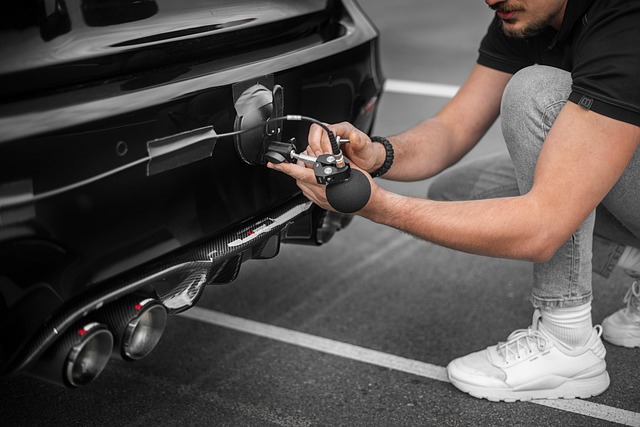
The evolution of vehicle identification numbers (VIN) is a critical aspect of the automotive industry’s journey towards global standardization. This process aims to create a unified system for identifying vehicles worldwide, streamlining processes and enhancing safety measures. The current landscape of VIN verification is fragmented, with varying standards across regions, leading to challenges in cross-border transactions and law enforcement. However, the push for standardization presents a transformative opportunity.
Global standardization offers numerous advantages, particularly in the realm of CHP VIN verification special units. By adopting a universal VIN format, authorities can improve efficiency during inspections, especially when dealing with out-of-state vehicle identification number checks. For instance, a free online VIN verification tool could revolutionize how car owners and law enforcement agencies access vehicle history. This technology enables quick cross-reference of VINs against global databases, ensuring the authenticity of a car’s registration and ownership details. Data integrity becomes paramount, allowing for robust tracking of vehicles throughout their lifespans.
One of the key benefits is the simplification of international trade. Standardized VINs will facilitate smoother customs procedures, reducing delays and potential fraud. This is particularly relevant in today’s global automotive market, where vehicles often traverse borders multiple times during manufacturing, distribution, and resale. Furthermore, a unified system can aid in stolen vehicle recovery, as law enforcement agencies worldwide can readily share information, leading to faster recovery rates. As we navigate the future of mobility, embracing global standards for VINs will be instrumental in fostering an interconnected and secure automotive ecosystem.
Implementing these changes requires collaboration among industry stakeholders, government bodies, and international organizations. The transition to standardized VINs must consider practical aspects like retrofitting existing systems and ensuring compatibility with legacy data. However, the long-term gains in efficiency, security, and global trade make this endeavor a strategic priority. With continued innovation and standardization efforts, the automotive sector is poised for a seamless future, where accurate vehicle identification transcends geographical boundaries.
Future Proofing Your Automotive Business

As the automotive industry evolves with technological advancements, ensuring the security and reliability of Vehicle Identification Numbers (VIN) is more crucial than ever for businesses in this sector. Future-proofing your automotive enterprise involves staying ahead of emerging trends, particularly in VIN verification processes. One key aspect to focus on is the seamless integration of advanced technology to combat potential challenges related to these unique identifiers.
The traditional methods of VIN verification are undergoing a transformation due to the rise of digital vehicle documentation and online transaction platforms. For instance, the California Highway Patrol (CHP) has introduced specialized VIN verification units, enhancing the accuracy and speed of their inspection processes. This advanced technology enables efficient identification of vehicles with altered or fraudulent VINS, which is crucial in cases involving bonded titles. When a vehicle changes hands through a bond title transfer, ensuring the validity of its assigned VIN is essential to prevent fraud. For instance, a recent study by the National Automobile Dealers Association (NADA) revealed that approximately 2% of vehicles sold with bonded titles had discrepancies in their VINS, indicating the need for robust verification measures.
To stay ahead of these issues, automotive businesses should adopt proactive strategies. One effective approach is to implement real-time VIN validation systems during the buying and selling processes. This involves cross-referencing the provided VIN with authoritative databases to check for any reported discrepancies or changes. Additionally, educating customers about the importance of proper documentation when transferring titles can help prevent common mistakes. When verifying a my VIN, it’s essential to request relevant documents, such as title records, purchase agreements, and proof of identification, to ensure a smooth and secure transaction. By embracing these practices, automotive businesses can contribute to a more transparent and trustworthy vehicle market, fostering customer confidence in the digital age.
As we look ahead, the future of vehicle identification numbers (VINs) promises significant advancements driven by technology and global standardization. Understanding the evolving role of VINs is crucial for automotive businesses to stay ahead in a dynamic market. Key insights include the enhanced tracking capabilities enabled by technological innovations, which significantly benefit law enforcement efforts, particularly with specialized units like the CHP VIN Verification Special Unit. Global standardization brings uniform identification across borders, streamlining processes and improving safety. To future-proof their operations, businesses should adopt these trends proactively, leveraging technology for more efficient VIN verification and global compliance. By doing so, they’ll not only enhance their operational integrity but also contribute to a safer and more interconnected automotive landscape.


